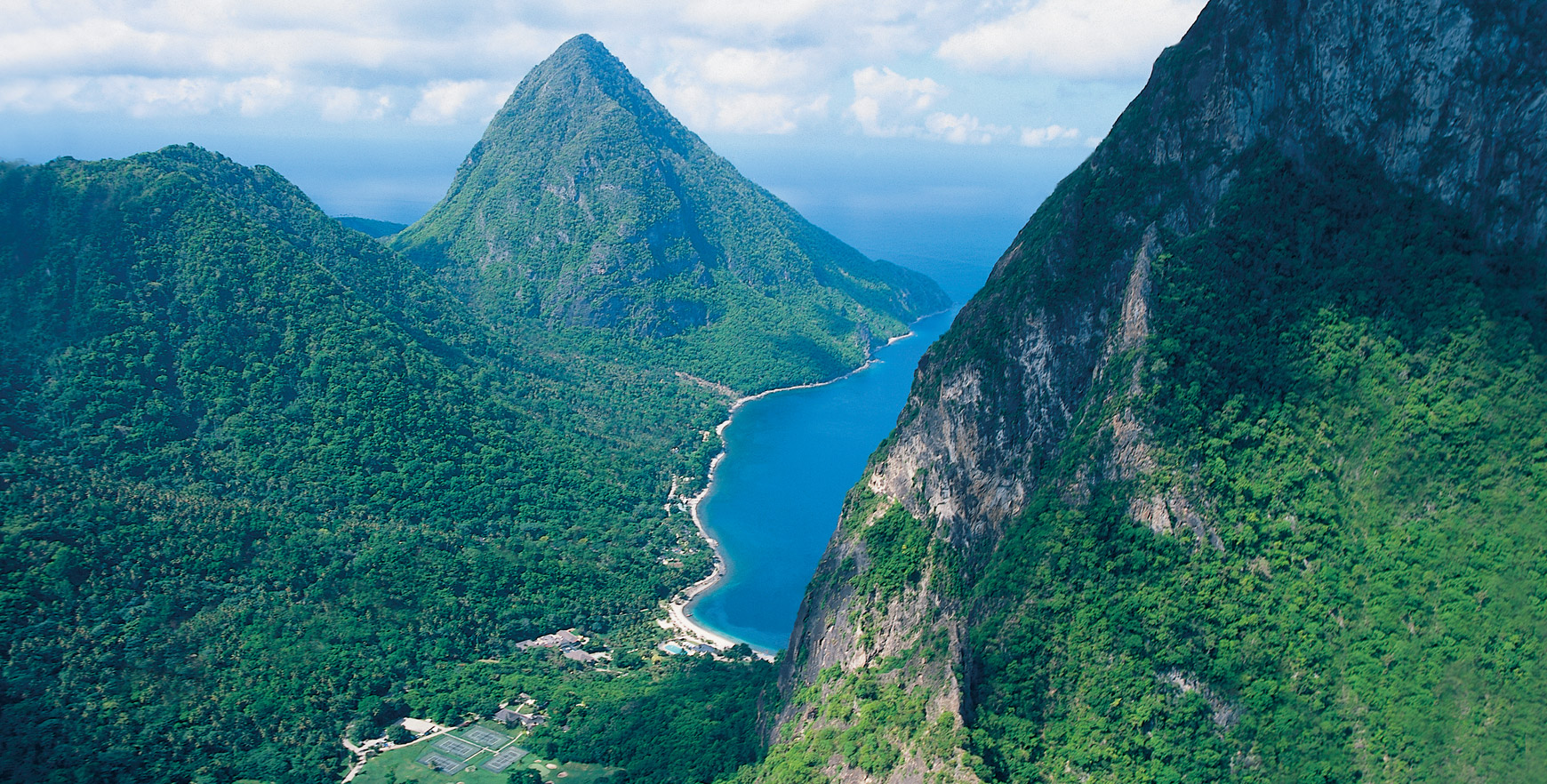
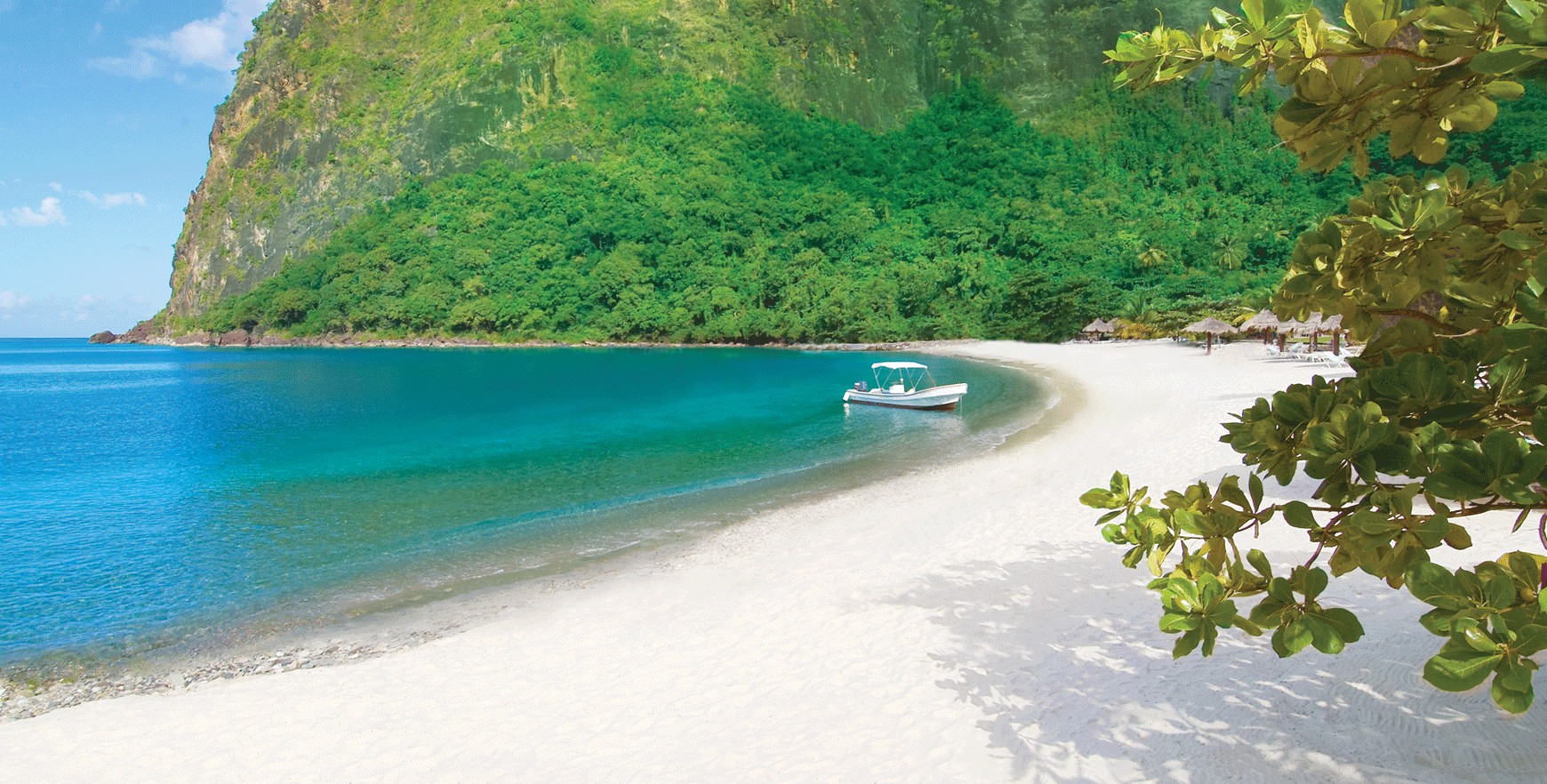
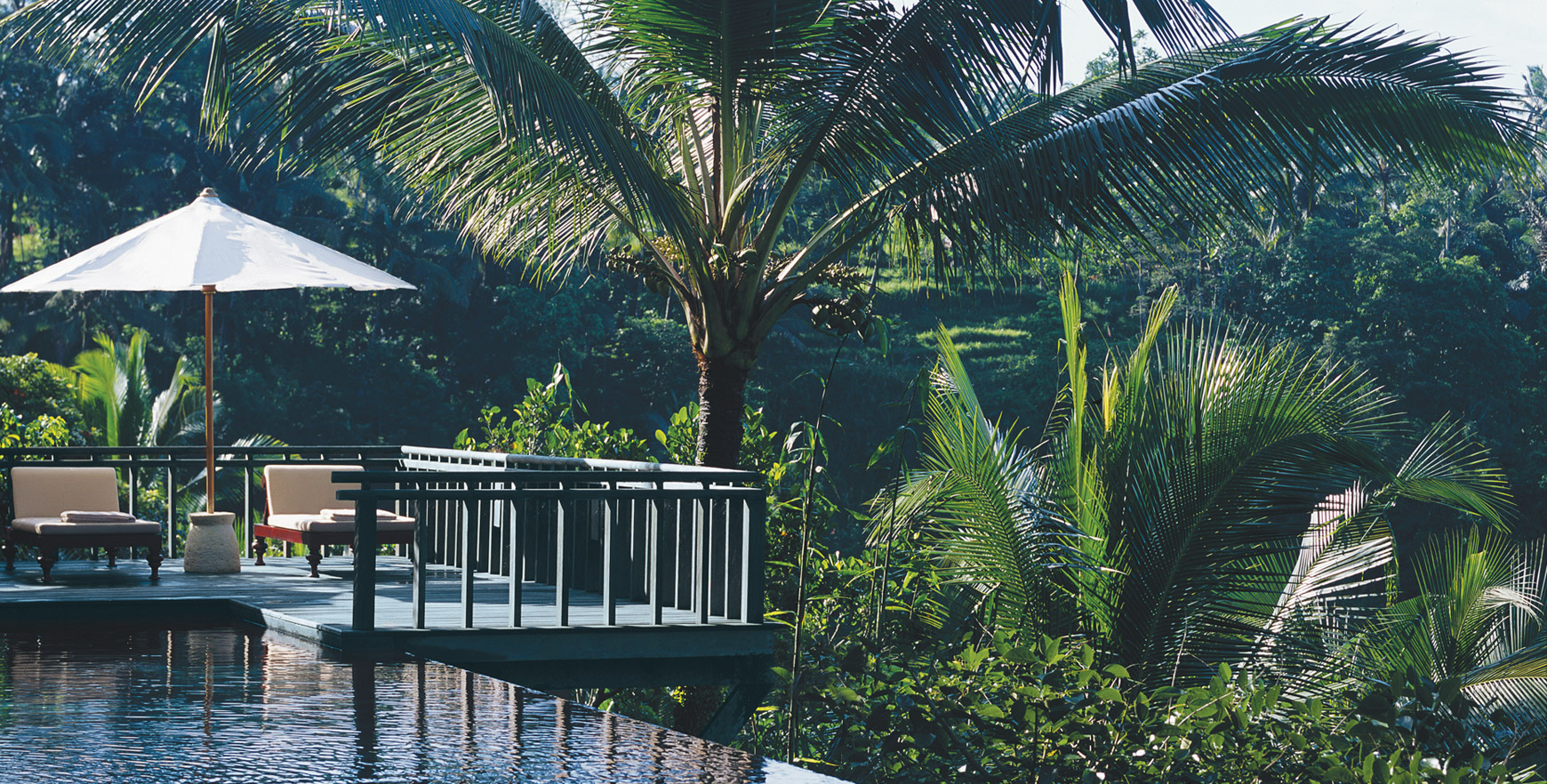
The StoryJalousie – Val des PitonsSituated on the beautiful Caribbean island of Saint Lucia and nestled between the fabled Piton mountains lies an estate of outstanding natural beauty. The area in which the estate is situated has been designated as a World Heritage Site. The owner of the estate, Prince Pascal Mahvi, developed and built a luxury beachfront resort on the site, “Jalousie Plantation” many years ago and his vision in 2013 is to build a select number of beautiful homes on the heights overlooking the resort. The views are without question-breathtaking. The project has been designed with key elements in mind that will appeal to potential owners looking for an exceptional and sustainable place to live for all or part of the year in one of the most beautiful places on earth. The Jalousie Plantation was originally acquired by philanthropist, entrepreneur and visionary, Abolfath Mirza Mahvi, a Prince Royal of Persia, more than 30 years ago. The Prince commissioned his son, Pascal Mahvi to develop the property. Pascal successfully built Jalousie Plantation, and now, with a socially conscious approach, he has launched Jalousie Enclave. Pascal’s commitment to the integrity of the environment, his devotion to the people of St. Lucia and his love for the Island itself, characterize his passion for development of Caribbean’s first 21st century sustainable luxury community. The Jalousie Enclave DevelopmentSituated between the towns of Soufriere and Choiseul, Jalousie Enclave remains one of the only Natural World Heritage Sites available for the development of exclusive, state of the art, environmentally conscious villas and estates. The property boasts 148 plant species, coral reefs that cover 60% of the marine area and serve as home to 168 species of finfish as well as scores of rare birds and indigenous wildlife. The dramatic bluffs and lush vistas are covered by tropical moist forest grading to subtropical wet forest with small areas of dry forest near the coast and on steep slopes, and areas of wet elfin woodland on the summits. On the Pitons especially, natural forests remain, preserved by the majestic incline of the terrain. No matter how well traveled you are, one cannot fail to be completely awestruck standing between the Mystic Twin Peaks of The Pitons, absorbing that which lies cradled between them. In the fast pace of life, this spiritual and breathtaking experience is truly a haven – a secret garden where it is possible to stop the world and lose oneself for a moment. In such an extraordinary place, it would seem inappropriate to create anything other than extraordinary. Sensitivity to the environment is paramount and a vision that owners must share with the developer, who has already committed 10% of all property sales to an association (ACSC) that will invest in the communities of the Southern region of St Lucia. With lot sizes ranging from 1 to 2.4 acres, the Jalousie Enclave© is of low density and will allow large family residences to be constructed comfortably, leaving surplus real estate. This is, of course, in total contrast to typical hotel developments where luxury Villas lack surplus real estate, usually standing back-to-back. Jalousie Enclave is a tropical design for living. With high quality amenities and five star services ranging from transportation to fine dining, Jalousie Enclave will cater to its residents every need. This is a rare opportunity to live in one of the most spectacular locations on Earth. Oprah Winfrey put it best when she declared the Pitons and surrounding environs to be “one of the top five places to see before you leave this great place called earth.” The Pitons, twin volcanic spires that soar nearly a half mile above the Caribbean, cradle Jalousie Enclave, St. Lucia’s most pristine luxury property development. Paradise is now within reach. Saint Lucia-‘Helen of the West’Lush. Unspoiled. The most wonderful green island in the blue Caribbean sea. English culture. French style. And one of the most gorgeous locations on earth. There are so many beautiful places in Saint Lucia, it’s extraordinary. And the most extraordinarily beautiful of them all may be the Val des Pitons, the Jewel of the West Indies that has been known for centuries as Jalousie. Jalousie. It may have been named for the exclusive feeling it inspires. Or perhaps it came through the shutters like a breeze, to this very private place that is privileged by nature. Where you can see without being seen, and shut out the rest of the world at will. A little HistorySt. Lucia’s culture has evolved from the intermingling of the many different groups of people who have participated in its history. Each has brought different beliefs and traditions, all of which are reflected in the life of the island today. A visitor is likely to drive on the British side of the road to an Indian restaurant in a French town, greeted all along the way in Creole patois. One of the most accessible expressions of St. Lucia’s rich cultural heritage is its cuisine. The fertile, volcanic soil of the island yields an enormous supply of produce, and the island is one of the leading banana exporters in the Caribbean, with six different varieties available. In addition to bananas, St. Lucia’s abundant tropical fruits include mangoes, papayas, pineapples, soursops, passionfruit, guavas, and coconuts ( all to be found at Jalousie ). Local chefs combine the island’s fresh produce with a wide variety of equally fresh seafood to create tantalizing curries, Creole-style entrees, and pepperpot stews. Callaloo soup, made from a leafy green similar to spinach, is the national dish. St. Lucia’s culture extends far beyond the table, as the island has long held a reputation for its intellectual and artistic talents. St. Lucia has produced two Nobel Prizewinners: the late Sir W. Arthur Lewis, who won the Nobel Prize for Economics in 1979, and poet Derek Walcott, who won the 1992 Nobel Prize for Literature. To understand as well as enjoy St. Lucia’s culture is largely a matter of gaining some sense of the various peoples who have contributed to it. The first of these were the Arawaks and the Caribs, Amerindian peoples indigenous to the entire Caribbean. They were expert hunters, farmers, fishermen, and skilled artists. Their primary crops were cassava, yams, sweet potatoes, all of which still play a central role in the island’s food. The Amerindians were decimated by the arrival of the Europeans, and only a small number of St. Lucians can still trace their roots back to this group. Some of the few particular aspects of Amerindian culture that survive include farina and cassava bread, fish-pots and other local craft items.
|